
Installation
Sump Pump & Backup Systems
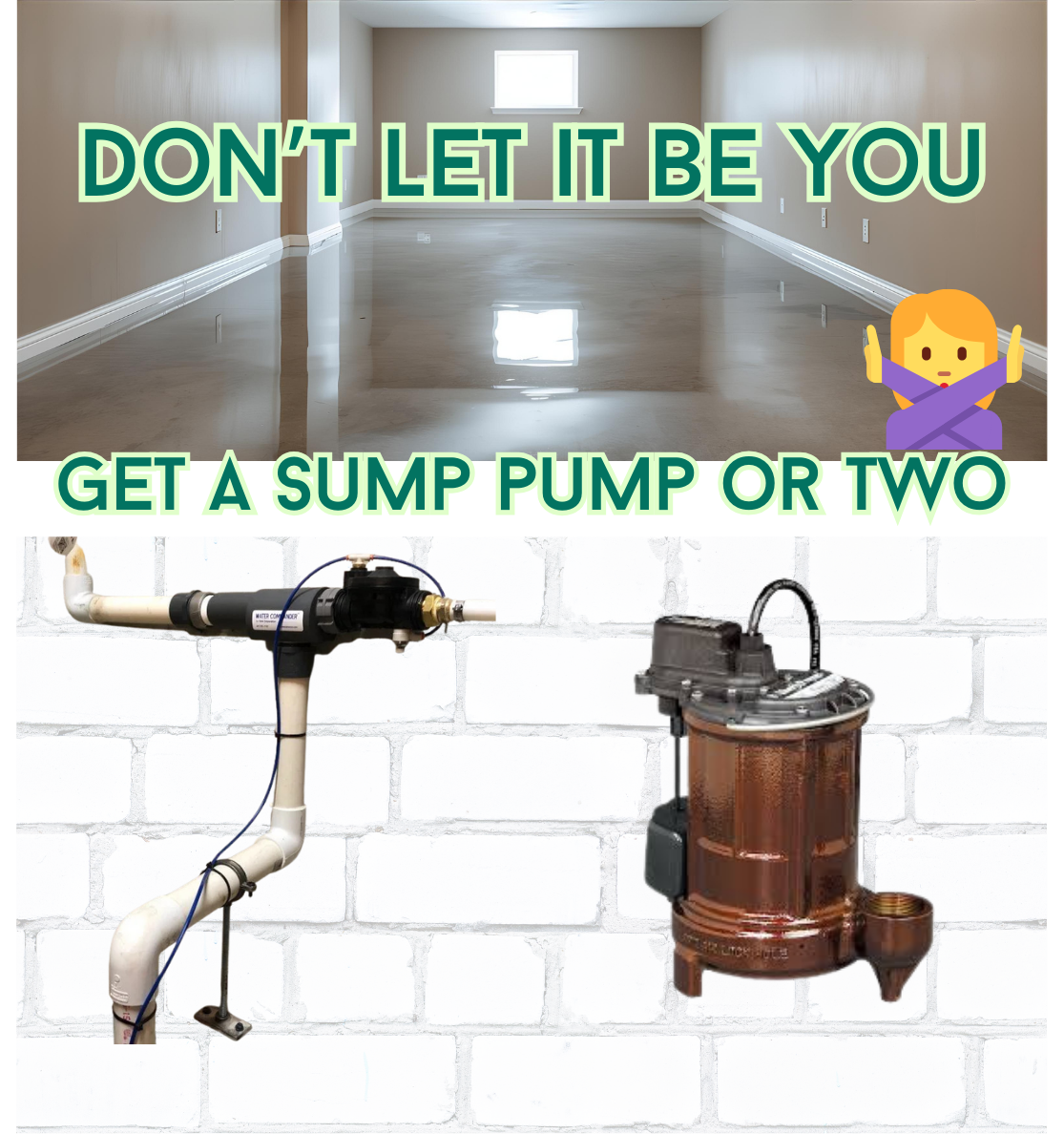
Protect your basement from flooding with reliable sump pump installation, maintenance, and battery backup systems. We install trusted systems built to keep water out when it matters most.
How it works
Assess Your Basement
We evaluate your basement layout, water table, drainage patterns, and how often your current pump runs to determine the right system for your home.
Recommend the Right Setup
We help you choose the right pump size, horsepower, and backup options—whether that's a battery backup or a water-powered system that works without electricity.
Install and Test
We install your new sump pump and backup system, test the float and discharge line, and make sure everything is ready before the next storm hits.
Schedule Maintenance
We recommend annual inspections before spring rain season to test your pump, clear the discharge line, and catch small issues before they become big problems.
Common questions
What kind of sump pump does my home need and how do I choose the right one?+
We will help you choose the right system based on your basement layout, water table, drainage needs, and how often your pump actually runs. Some homes need a basic primary pump, others need a heavy duty unit, and some need a pump that can handle a small indoor river during storm season. We make sure you get the right size, the right horsepower, and the right setup for your home so you are protected before the next big rain.
Do you install battery backup systems in case the power goes out?+
Yes, and adding a backup is one of the smartest decisions you can make in New Jersey. Storms here love knocking out power at the exact moment your sump pump is working the hardest. A battery backup keeps the pump running even when the lights are out, which means your basement stays dry and you stay stress free.
How often should sump pumps be inspected or maintained?+
Most manufacturers and home inspectors recommend checking your sump pump at least once a year, ideally before spring rain season. Testing the float and making sure the discharge line is clear helps prevent unexpected failures. If your pump runs frequently or your basement is prone to moisture, a quick seasonal check can go a long way toward preventing problems.
What are signs that my sump pump is failing or needs replacement?+
If your pump is making grinding noises, running constantly, or turning on and off rapidly, those are early warning signs. Water pooling around the pit or a pump that does not turn on when the water rises are red alerts. Most pumps last about 7 to 10 years, and if yours is older than that, it may be approaching retirement even if it seems fine.
Why do basements in New Jersey flood so easily during heavy rain or hurricanes?+
New Jersey sits on a mix of clay soil, shale, and rock that does not absorb water quickly, so heavy rain builds up fast. Many homes also have high water tables, especially in Central Jersey, which means the ground is already saturated before a storm even starts. When a nor'easter or tropical system hits, stormwater has nowhere to go except toward basements. And as every Jersey homeowner knows, hurricanes, microbursts, and those so called one hundred year storms seem to visit us every few months just for fun.
Do you handle emergency sump pump failures during storms?+
Yes, we do. Our emergency services team can help troubleshoot pump failures, electrical issues, or backups. However, if the basement is actively flooding or conditions are unsafe, we cannot enter the space until the situation stabilizes. We will walk you through as much as possible over the phone so you can stay safe and minimize damage until help can arrive.
Is a permit required for sump pump or ejector pump installation in New Jersey?+
No, a standard sump pump installation does not require a permit in most New Jersey municipalities. Ejector pumps for wastewater usually require a permit because they connect to the plumbing system, and we take care of confirming those requirements before starting. Our team always follows local code so your installation is done correctly and safely.
Get started — Lebanon, NJ
No run-around. Just the fix.
Tell us what's going on and we'll take a look — honest assessment, upfront pricing, no obligation.
- Free, no-pressure estimate
- Same-day response
- We clean up after ourselves